
With quick action and the right approach, most wet carpets can be saved.
Wet carpets can lead to bigger problems if ignored. I’ve learned that moisture trapped in carpets creates the perfect breeding ground for mold and mildew, which can affect your family’s health. The musty smell is just the first warning sign.
Damp carpets can also damage the subfloor and even the structure of your home if left untreated for too long.
Key Takeaways
- Quick water removal with a wet-dry vacuum is essential to prevent mold growth in soaked carpets.
- Good airflow from fans, open windows, and dehumidifiers helps carpets dry faster and more completely.
- Baking soda can absorb remaining moisture and eliminate odors from water-damaged carpet areas.
1. Soak Up All That Water First
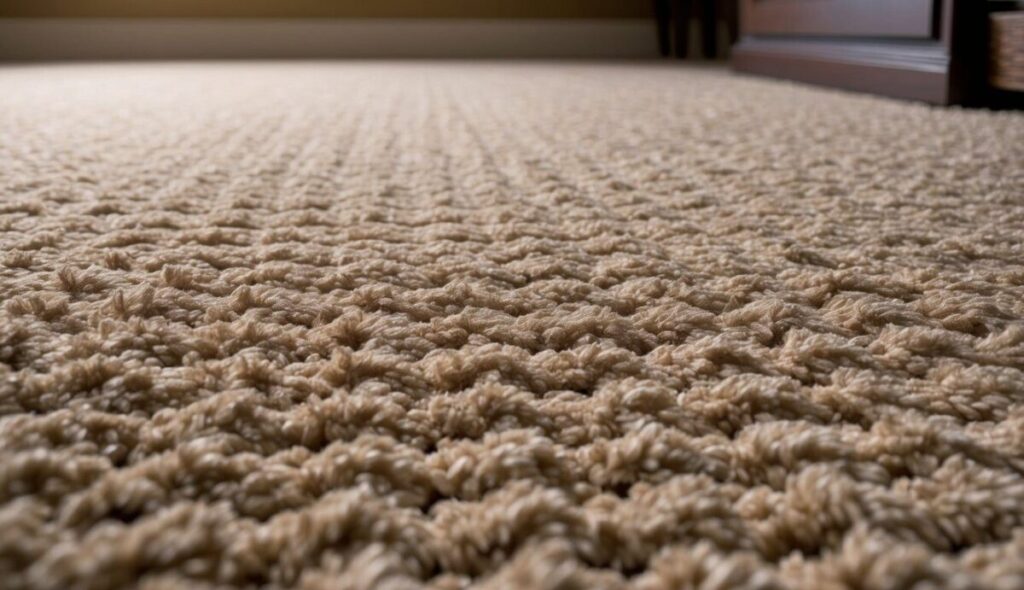
To deal with a sopping wet carpet, I need to act fast. I can start by grabbing some thick towels and placing them over the wet spots. Then I’ll walk on them to press out the moisture. After about 30 minutes, I’ll switch them out if they’re soaked through.
For bigger jobs, a wet vacuum is super helpful. Here’s what I can do:
- Rent a wet vac from a local store
- Use a shop vac if I have one
- Make several passes over the wettest areas first
- Empty the tank frequently during the drying process
If my carpet is really drenched, I might need to call professionals to help with the drying.
2. Create Good Air Flow
To help your wet carpet dry faster, you need to get air moving around the room. I recommend turning on any fans you have – ceiling fans work great, but standing fans pointed at the wet area also do the job well. If you have box fans, place them directly on the damp carpet for even better results.
Your AC can also help by reducing humidity in the room. Don’t forget to open windows on opposite sides of the room to create cross-ventilation. This increased airflow not only speeds up drying time but also helps eliminate those musty odors that wet carpets often produce.
- Turn on ceiling fans
- Position standing fans directly at wet areas
- Run your air conditioner
- Open windows for cross-ventilation
3. Get a Dehumidifier
A dehumidifier can really save your carpet after it gets wet. These machines pull moisture from the air, which helps dry your carpet faster.
If you live in a place that often gets floods or leaks, buying a dehumidifier might be worth it. I’ve found they’re super helpful in preventing mold growth too.
You can rent one for a short-term problem or buy one if you deal with moisture issues regularly. Just place it near the wet carpet and let it do its magic!
4. Steam Clean Your Carpet

I’ve found that professional steam cleaning is one of the best ways to make sure your carpet is truly clean. The super high temperatures used in steam cleaning kill harmful bacteria that regular cleaning might miss. Even after I’ve cleaned a wet carpet myself, bacteria can still hide deep in the fibers. Steam cleaning reaches these hidden spots and gets rid of mold spores too. It’s a great way to disinfect your carpet completely. If you’re concerned about germs or allergens, a professional carpet cleaner with steam equipment is definitely worth considering.
5. Soak Up Moisture with Baking Soda

When I’m dealing with small damp areas on my carpet, I reach for baking soda. It’s a simple trick that works well! First, I blot up as much water as possible with towels. Then I sprinkle a generous amount of baking soda over the wet spot and let it sit for about 30 minutes. The baking soda absorbs the trapped moisture. Finally, I vacuum it all up, which leaves my carpet feeling fresher and drier. This method is perfect for minor spills or slightly damp areas.
6. Check Your Carpet Padding
If lots of water soaks into your carpet, the padding underneath might get damaged too. I recommend calling professionals to look at your underlay. They can tell you if it needs to be replaced.
Wet padding is a serious problem. It can:
- Grow mold
- Make your air unhealthy
- Damage tack strips along the edges
Don’t ignore what’s beneath your carpet! The padding might look fine from above, but professionals have tools to check moisture levels you can’t see.