
Vinegar cuts through dirt and grime on glass surfaces, leaving them sparkling clean without harsh chemicals.
While white distilled vinegar seems to work best for cleaning windows, there’s still debate about whether it’s the perfect solution. Some people swear by vinegar’s ability to create a streak-free shine, while others point out situations where it might not be ideal.
I’m going to explore these different perspectives to help you decide if vinegar is the right choice for your window cleaning needs.
Key Takeaways
- Vinegar offers an affordable, eco-friendly option for streak-free window cleaning.
- Not all situations may be suitable for vinegar cleaning despite its effectiveness on glass.
- White distilled vinegar performs better for window cleaning than other vinegar varieties.
Advantages Of Cleaning Windows With Vinegar
Cleaning Quality
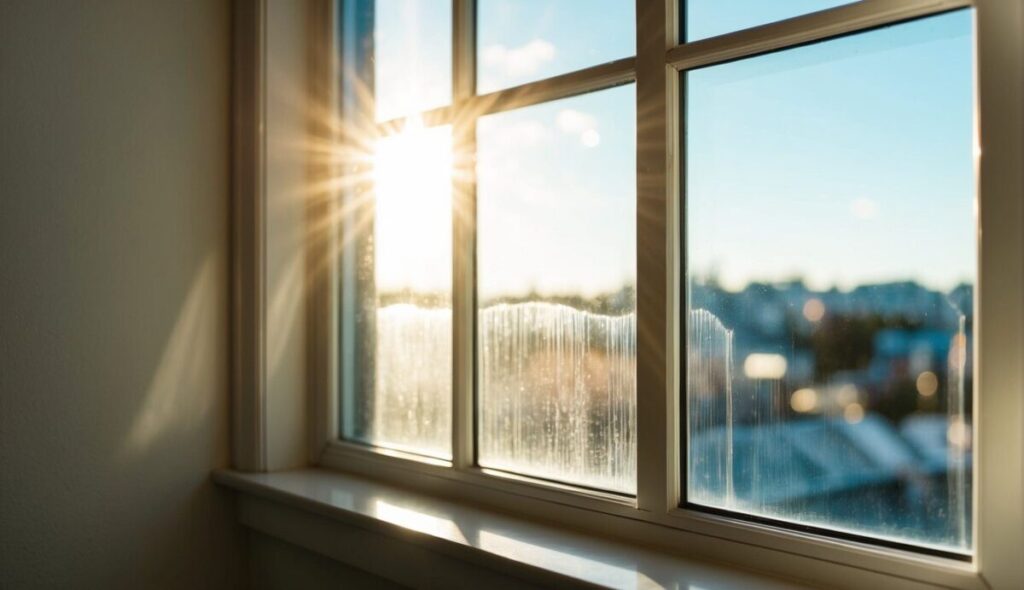
Vinegar’s acidic nature dissolves grime, stains, and dirt on glass surfaces while being safe and environmentally friendly. It leaves windows with a streak-free shine that makes them look crystal clear.
Eco-Friendly Benefits
I’ve found that using vinegar to clean my windows is great for the planet. Unlike chemical cleaners that harm our environment, vinegar breaks down naturally without polluting our water systems.
It’s completely biodegradable, which means I don’t have to worry about harming fish or plants when I rinse it away. I love knowing my cleaning routine isn’t adding toxic chemicals to the world!
Plus, I can buy vinegar in bulk with less packaging, reducing my household waste even further.
Better For Your Health
When I clean with vinegar, I never worry about dangerous fumes or chemical residues. Many store-bought window cleaners contain harsh ingredients that can:
- Irritate eyes and lungs
- Trigger allergic reactions
- Leave harmful residues on surfaces
- Worsen indoor air quality
White vinegar doesn’t release toxic fumes, making it perfect for cleaning when kids or pets are around.
I can breathe easily while using it, even in small spaces without much ventilation. My family isn’t exposed to mysterious chemicals, just simple, natural vinegar that gets the job done without health risks.
Disadvantages Of Cleaning Windows With Vinegar
The Strong Smell
I’ve found that vinegar’s sharp smell is one of its biggest drawbacks. When I clean my windows with it, the odor can fill a room quickly. This smell is especially strong in small bathrooms or tight spaces. Sometimes the smell makes my eyes water if I use too much.
The good news is that the smell doesn’t last forever. I usually open windows while cleaning to let fresh air in.
If you’re sensitive to smells, try:
- Wearing a face mask while cleaning
- Adding a few drops of essential oil to your vinegar solution
- Using lemon juice mixed with vinegar for a nicer scent
The smell usually goes away within an hour after cleaning. I’ve learned not to mix vinegar with bleach or ammonia products, as this creates dangerous gases.
Cloudy Glass Problems
Sometimes my windows look cloudy after I clean them with vinegar. This happens for a few reasons:
- Too much vinegar in my cleaning mix
- Cleaning on cloudy days when the solution can’t dry properly
- Hard water deposits that vinegar can’t fully remove
I’ve had the best results cleaning on sunny days when the solution dries quickly.
For really dirty windows with lots of grime buildup, I start with soapy water first, then follow with my vinegar solution.
When dealing with hard water stains, I’ve found that straight vinegar works better than diluted solutions. I apply it directly to tough spots and let it sit for 5-10 minutes before wiping.
For windows with mold and mildew around the edges, I spray full-strength vinegar and wait 15 minutes before scrubbing. This usually takes some elbow grease, but the vinegar helps break down the mold naturally.
Other Ways to Clean Windows
Using Store-Bought Cleaners
I’ve tried many window cleaning products over the years. Most come in easy-to-use spray bottles that make quick work of dirty windows.
While these cleaners are super effective at cutting through dirt and grime, I’ve noticed some have strong chemical smells that can be overwhelming.
Some of my go-to options include:
- Ammonia-based cleaners: Great for tough jobs but require good ventilation
- Isopropyl alcohol solutions: Work well on greasy fingerprints
- Professional-grade products: More expensive but often leave fewer streaks
When using these products, I always wear gloves to protect my hands.
I’ve learned that while they work fast, some contain ingredients that might not be great for the environment or for homes with pets and small children.
Newspaper Trick
I learned this old-school trick from my grandmother! Instead of paper towels, try using newspaper to clean your windows. It sounds weird, but it really works! The newspaper’s texture helps remove dirt without leaving annoying lint behind.
Here’s my simple method:
- Spray your window with cleaner
- Crumple up a sheet of newspaper
- Wipe in circular motions, then straight lines
What I love about this method is that newspapers are cheap and probably already in your home. Just be careful with your hands – printer ink can sometimes rub off on your fingers!
Vinegar Varieties for Sparkling Glass
I’m a big fan of cleaning with vinegar because it’s natural and inexpensive. Not all vinegars are created equal when it comes to window cleaning though!
Types of vinegar for window cleaning:
| Vinegar Type | Acidity Level | Best Features |
|---|---|---|
| White Distilled | High | Most effective, no color residue |
| Apple Cider | Medium | Pleasant smell, good cleaning power |
| Cleaning Vinegar | Extra High | Professional-strength cleaning |
I like to mix equal parts vinegar and water in a spray bottle. For extra cleaning power, I sometimes add a tablespoon of baking soda to tackle stubborn spots. The fizzing reaction helps break down dirt!
For those tough jobs around window frames, I sometimes mix vinegar with a bit of dish soap. This combo works great on grimy buildup that pure vinegar can’t handle on its own.
Weighing the Benefits and Limits of Vinegar Window Cleaning
I’ve found that vinegar can be a great friend for window cleaning, but it’s not perfect.
It’s cheap, green, and safe for my family, which I love. When I use it right, my windows shine without streaks, improving my home’s look from the street.
But let’s be honest – that smell isn’t winning any awards! I’ve noticed it can damage wooden window frames if I’m not careful. For really dirty windows after a storm, vinegar sometimes just isn’t strong enough by itself.
For best results:
- Mix with equal parts water
- Apply with a microfiber cloth
- Wipe in circular motions
The clean windows definitely boost my home’s curb appeal and improve visibility, which is important for safety.
I can see clearly outside, and natural light flows better into my rooms. With regular cleaning, my windows stay in better shape longer, saving me money on repairs down the road.